 English
 Türkçe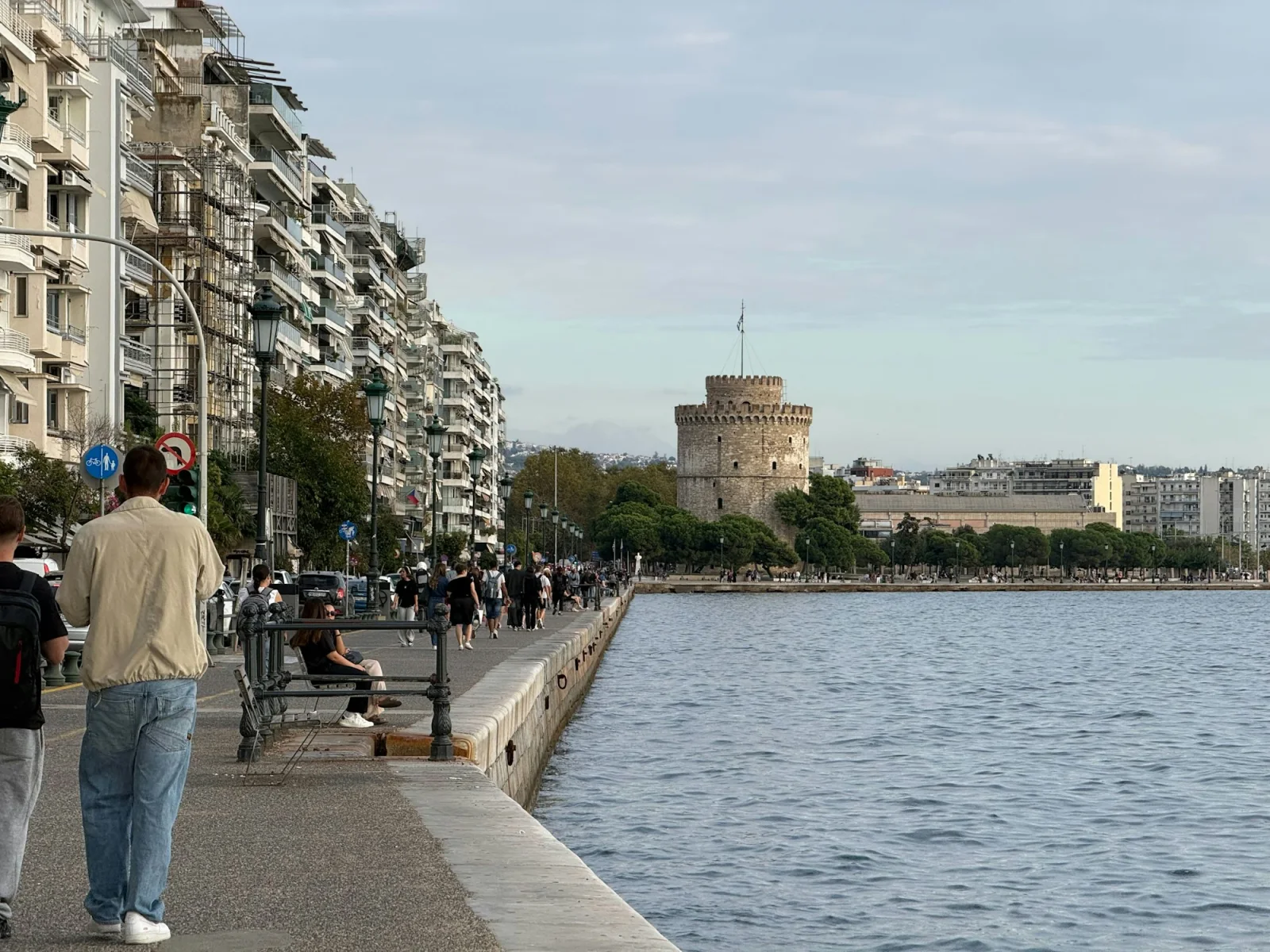
How were these three cities chosen?
There is no current, comprehensive official survey that conclusively ranks the Greek cities most loved by Turkish people. Athens, Thessaloniki and Kavala are therefore presented as an editorial selection, not as first, second and third place. They repeatedly appear in air and road itineraries, organized travel and recent reporting on Turkish visitors. A recent academic paper reports that travellers entering Greece by road often choose Alexandroupoli, Kavala and Thessaloniki, while Athens is the leading city for air arrivals. This article compares three urban experiences rather than manufacturing a popularity table that the available evidence cannot support.
Their appeal is broader than geographic proximity. Layers of Ottoman, Byzantine, ancient Greek and modern Balkan history create a cityscape that can feel familiar and different at the same time. Shared ingredients in food culture, waterfront life and a late social rhythm can make a visit comfortable. Transport scale, rent, crowds, seasonality and the ease of handling daily tasks in English are not the same, however. A destination that works beautifully for a long weekend may not offer the right employment, schooling or year-round services for a permanent resident.
1. Athens: Capital, history and connectivity
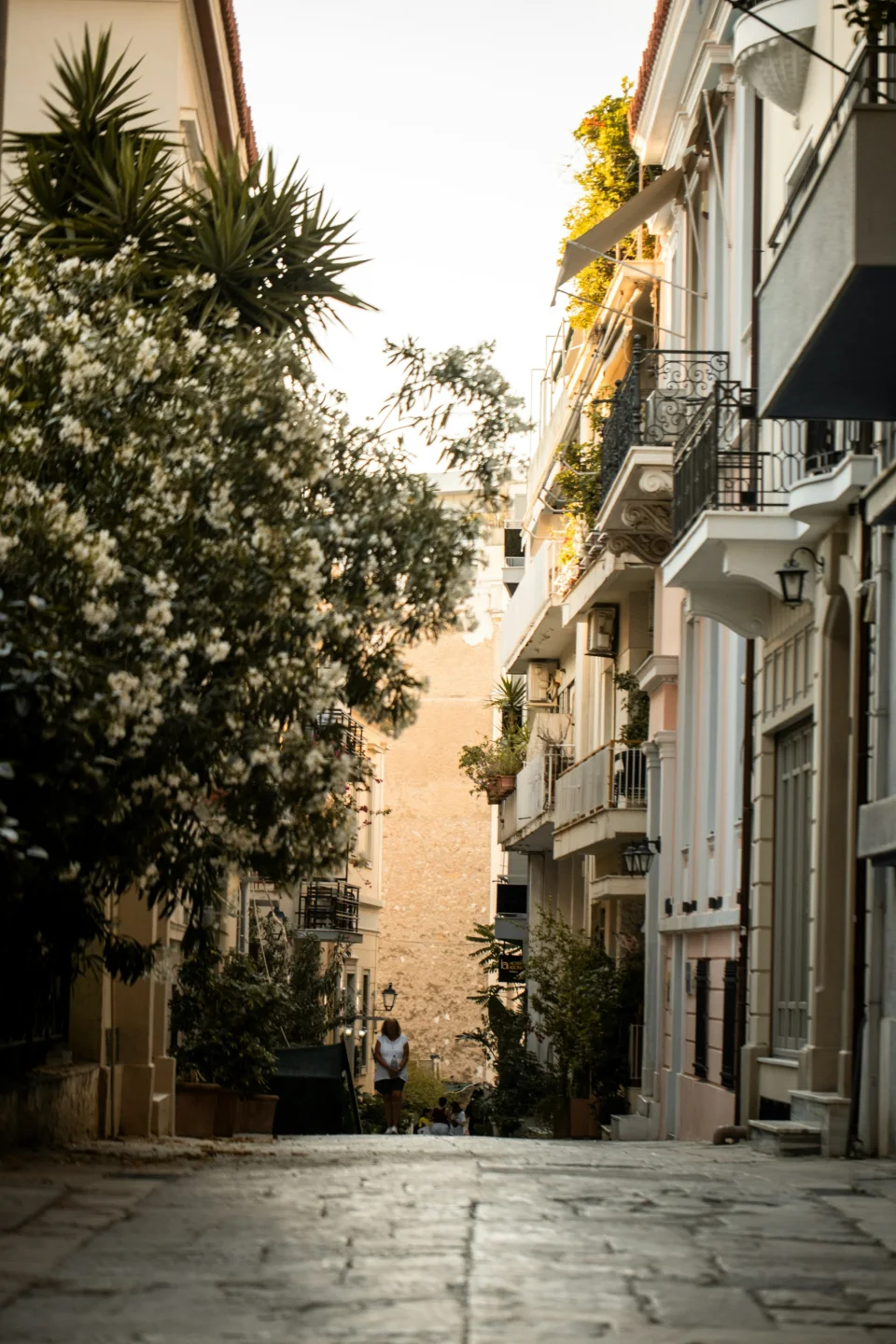
Athens is Greece’s capital and largest urban centre. Beyond the Acropolis and historic core, it offers contemporary art, universities, distinct neighborhoods, the country’s deepest job market and its principal international air connections. It is the most natural entry point for many visitors arriving from Turkey by air. Monastiraki, Plaka and Psyrri form part of the visitor centre, while Pangrati, Koukaki, Neos Kosmos and the coastal districts reveal different versions of daily life. Judging Athens only around the Acropolis overlooks commuting, intense summer heat, traffic and major rent differences between neighborhoods.
Official Visit Greece material presents Athens as a destination in which ancient heritage and a contemporary metropolis coexist. Metro, bus, tram and suburban rail services cover the region, yet a suburban address can still create a long commute. Museums, markets, the coast and nightlife give a short stay considerable variety. A prospective resident should examine summer temperature, the building’s energy performance, the location of work or school and access to healthcare at neighborhood level. Athens is a strong choice for someone who values breadth of opportunity and can plan for the costs and friction of a large city.
2. Thessaloniki: Northern culture and gastronomy
Thessaloniki is a port city with strong historical ties and can be reached from Turkey both overland and by air. Visit Greece describes it as the largest city in northern Greece and a city of experiences, where archaeological sites, Byzantine churches and modern life sit together. The waterfront from the White Tower, Ladadika, Ano Poli and the Modiano and Kapani markets quickly reveal its character. The house where Mustafa Kemal Atatürk was born gives the city additional historical significance for visitors from Turkey.
Central Thessaloniki can feel more compact than Athens, and the waterfront forms part of everyday social life. Universities, food and events keep the city active throughout the year. Traffic, parking, humid winters and hot summers still require planning. The labour market may not be as broad as Athens, making sector and remote-work options important for relocation. Growing links with Istanbul and Ankara make visits easier. For Turkish travellers seeking history, food and a walkable centre, Thessaloniki offers a balanced metropolitan experience without reproducing the scale of the capital.
3. Kavala: Close, coastal and smaller in scale
Kavala is accessible to road travellers because of its position near the Turkish border and northern Aegean routes. The Greek National Tourism Organisation calls it the blue city: built amphitheatrically along the coast, joining mountain and sea and carrying traces of east and west. The Panagia old town, castle, the birthplace of Muhammad Ali of Kavala, the Imaret and historic tobacco warehouses demonstrate its layered past. Its harbor, waterfront and nearby beaches make a compact and attractive short-break combination.
Kavala’s smaller scale can suit someone looking for calm and immediate access to the sea. The hills, narrower employment market and more limited range of services need consideration for long-term life. Kavala International Airport is around thirty kilometres from the centre, while international routes can vary seasonally. Thasos, the archaeological site of Philippi and surrounding beaches broaden the regional experience. A car becomes more useful for reaching small settlements and beaches outside the centre, so transport cost should be included in any comparison with Athens or Thessaloniki.
A visit or a relocation?
For a three-day trip, travel time, history, food and the waterfront may lead the decision. A relocation is governed by residence rights, employment, tax, healthcare, schools, annual rent and transport. Athens offers the widest connection and service network; Thessaloniki provides a more compact northern metropolis; Kavala offers a smaller coastal setting. The same budget produces a different home and commute in each place. A summer nightly price also says little about the terms and availability of a twelve-month residential lease.
The best first visit is not simply a property tour but a trial of ordinary life. Travel beyond the visitor centre to a supermarket, health facility and a possible workplace or school. Experience morning and evening traffic, walk the neighborhood after dark and investigate winter conditions. Although this article retains a popular search title, it does not claim an official affection ranking for Athens, Thessaloniki and Kavala. The selection is an editorial assessment based on verifiable travel patterns and the official destination characteristics of the three cities.
Sources
Turkish International Scientific Educational Journal — Turkish visitor routes